4th of July Layered Design: A 3D SVG Shadow Box for Seasonal Branding
First Impressions: Bold, Patriotic, and Ready for Depth
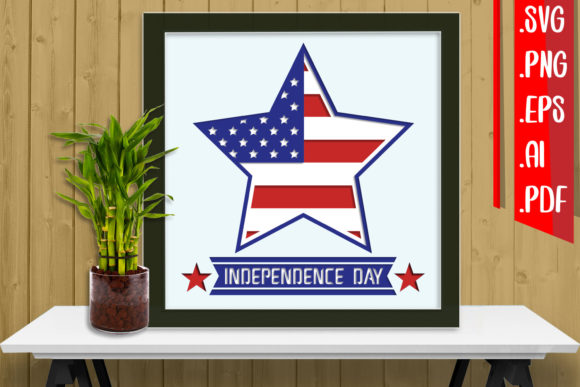
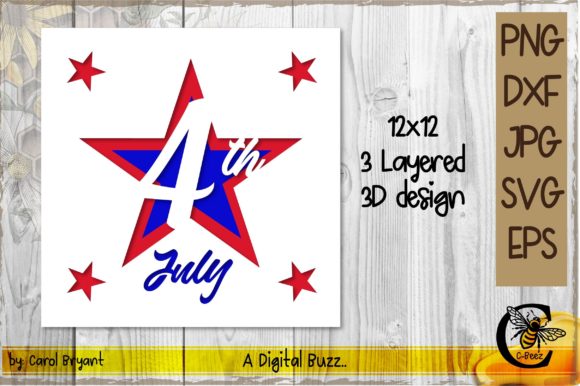
Opening the 4th of July Layered Design file, the first thing that strikes me is the intentional layering and dimensional depth that immediately suggests a strong visual hierarchy. This isn't just a flat illustration—it's a 3D SVG design crafted with thoughtful layer separation, perfect for shadow box applications and dimensional crafting. As a graphic designer working on a seasonal campaign for a local boutique, this asset immediately stands out as a potential hero element for both digital and physical branding materials.
Style and Mood: Festive, Patriotic, and Commercially Versatile
The design feels celebratory without being overly cartoonish. It captures the essence of Independence Day with a modern twist—clean lines, layered stars and stripes, and a sense of movement that gives it a dynamic edge. This makes it ideal for clients in the handmade business space, Etsy sellers, or small brands looking to create a festive yet professional visual identity for seasonal promotions.
Its layered structure suggests it was designed with flexibility in mind, allowing for easy color swaps and layer manipulation in design software like Cricut Design Space, Silhouette Studio, or Adobe Illustrator. This is crucial when adapting the design across different brand palettes or product types.
Real-World Use: From Packaging to Social Media
Working on a recent project for a local candle brand launching a limited-edition 4th of July collection, I considered how this design could enhance packaging labels, gift tags, and even social media graphics. The 3D effect translates beautifully into product mockups, especially when used in conjunction with shadow box templates.
- Packaging design: Perfect for custom labels and gift tags with a layered look that elevates simple packaging.
- Merchandise: Works well on tote bags, mugs, and t-shirts where layered elements can be heat-transferred or printed with depth.
- Social media: Ideal for Instagram stories, Pinterest pins, and Canva templates where visual impact is key.
- Printable designs: Great for downloadable wall art, party invitations, and printable planners aimed at patriotic themes.
Where It Shines: Hero Graphics and Decorative Accents
The 4th of July Layered Design excels in large layout areas where its depth and detail can be fully appreciated. It works beautifully as a central visual in posters, flyers, and digital ads. I also found it effective as a decorative accent in themed collections—especially when grouped with complementary design assets like fireworks, stars, and vintage banners.
For a recent client event flyer, I used the design as a background overlay in a semi-transparent layer, which added dimension without overwhelming the main content. It also performed well in product mockups, especially when used as a featured graphic on packaging samples.
Where to Use Caution: Simplicity and Hierarchy
While the design is visually rich, it's not always the best fit for minimalist branding or professional corporate materials. The layered nature can become cluttered in small sizes or complex layouts. I found that in mobile-optimized web design or small-scale print (like business cards), the design lost clarity and risked confusing the visual hierarchy.
It should be used carefully in low-contrast settings or against busy backgrounds where the layers may blend together. For logo design or brand identity systems that rely on clean lines and scalability, this asset might not be the best primary visual, but could serve as a supporting element in a broader brand toolkit.
Design Performance: Readability, Trust, and Engagement
One of the most important considerations for any design asset is how it affects readability and audience engagement. In a recent Cricut project for a boutique client, I tested the design as a wall art SVG and found that the layered structure added a tactile quality that boosted perceived professionalism and emotional appeal.
However, when used alongside text-heavy layouts, the design sometimes competed with typography. To combat this, I adjusted the layering order and reduced the opacity of background elements to ensure visual hierarchy remained intact. This is especially important when pairing with different font styles—serif fonts added elegance, while script fonts introduced a playful tone that matched the design's mood.
Practical Designer Notes: Pre-Use Checks
Before integrating the 4th of July Layered Design into any client project, I recommend the following checks:
- Test in black and white: Ensure the layered structure still reads clearly without color cues.
- Check contrast: Preview on both light and dark backgrounds to confirm visibility and depth.
- Preview at different sizes: Confirm legibility and detail retention from small to large formats.
- Place on real mockups: Use tools like Placeit or Adobe Stock mockups to see how it integrates with physical products.
- Test print quality: Especially important for print-on-demand sellers or crafters using Cricut machines.
- Review file formats: Ensure SVG and PNG versions are included and compatible with your design software.
- Inspect PNG transparency: If transparency is needed for digital use, confirm it's clean and precise.
- Confirm commercial licensing: Always verify that the design asset is cleared for commercial use, especially when designing for clients or reselling as part of a digital product.
Final Thoughts: A Strong Addition to Seasonal Creative Projects
Overall, the 4th of July Layered Design is a well-structured, flexible, and visually engaging SVG asset that brings depth and personality to a wide range of design applications. It’s especially valuable for designers, digital sellers, and small business owners looking to create holiday-themed branding with a professional edge.
Whether you're crafting a Canva template for a seasonal campaign, designing a product mockup for a print-on-demand store, or creating a Cricut project for a handmade Etsy shop, this design asset offers a strong foundation that can be customized to fit your client's unique brand voice and visual direction.