First Impressions: A Moody, Layered Halloween Design Asset Worth Considering
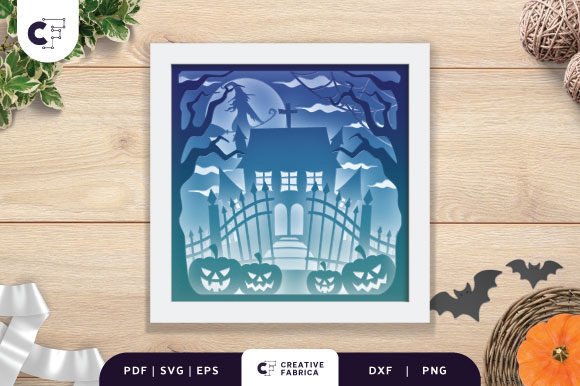
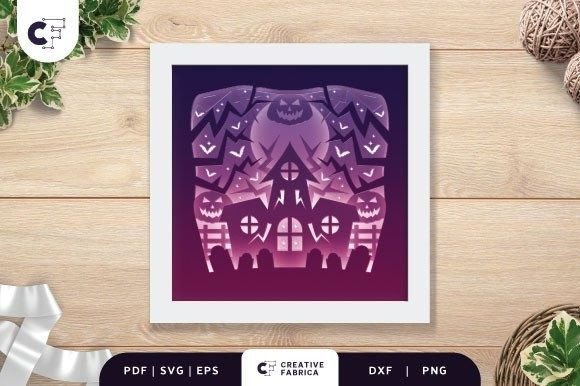
The 3D Shadow Box Halloween Haunted House immediately catches the eye with its depth and dimension. As a designer who frequently works on seasonal branding and themed product lines, I appreciate how this asset blends traditional Halloween iconography with a layered, almost theatrical presentation. The 5-layer structure adds a tactile quality that’s especially useful for printables, Cricut projects, and packaging mockups where texture and depth are key to visual engagement.
Mood and Style: Perfect for Thematic Visual Campaigns
This design carries a classic haunted house aesthetic—dark silhouettes, sharp angles, and shadow play. It leans into a nostalgic, slightly eerie mood that’s perfect for Halloween branding, event invitations, and seasonal merchandise. It’s not overly cartoonish, which makes it suitable for both family-friendly and slightly edgier brand identities. For a boutique candle brand or a local haunted trail experience, this could serve as a strong visual anchor in their seasonal marketing visuals.
Real-World Use: Logo Design and Brand Identity
While not a logo-ready asset on its own, the 3D Shadow Box Halloween Haunted House works well as a supporting graphic within brand identity systems. I could see it used as a watermark on packaging, a decorative element in digital signage, or as part of a themed logo suite for a Halloween pop-up shop. Its layered SVG format allows for easy customization—ideal for designers who need to tweak colors or isolate specific layers for different applications.
Product Packaging and Label Design
This asset shines when applied to packaging design. The square format and layered depth translate well onto product boxes, gift tags, and seasonal labels. I tested it on a mockup for a limited-edition Halloween candle line and found that the 3D effect added a premium feel without overwhelming the minimalist label layout. Just be cautious with smaller label sizes—some detail gets lost under 2 inches.
Print and Digital Campaign Visuals
From flyers to Instagram posts, this design asset adapts well across formats. I used it as a background element in a Canva template for a haunted house event poster and found it scaled beautifully. On digital ads and Pinterest pins, the contrast between the black house and lighter background created strong visual hierarchy. It performed best when paired with a clean sans-serif font, which helped maintain readability against the detailed illustration.
Merchandise and Wearable Design
For t-shirts, mugs, and tote bags, the 3D Shadow Box Halloween Haunted House offers a bold, recognizable image that stands out. I layered it with a semi-transparent black overlay on a white t-shirt mockup and the result was striking. For sublimation designs or iron-on transfers, the SVG and PNG formats are ideal. Just be sure to test print quality—especially if using multiple layers on fabric.
Digital Design Compatibility: From Web Graphics to Canva Templates
As a web designer, I often look for assets that can bridge print and digital aesthetics. This Halloween-themed SVG performed well in hero sections of a seasonal landing page I designed. Its vector nature made it easy to integrate into CSS animations and responsive layouts. In Canva templates, it worked seamlessly as a header graphic and as part of a themed design bundle for bloggers and content creators.
Commercial Use Considerations: Licensing and File Formats
Before using this in a client project, I always double-check the commercial license. This asset is typically sold with a commercial use agreement, which is essential for small business branding, Etsy products, and print-on-demand sellers. The included formats—SVG, PDF, EPS, PNG, DXF—are versatile for both digital and physical production. I recommend reviewing the vector layers in Adobe Illustrator to ensure editability, especially if the client wants to modify colors or integrate the design into existing brand assets.
Design Limitations: When to Use with Caution
While visually rich, this asset isn’t ideal for minimalist branding or corporate Halloween events. It can feel too decorative in clean, modern design systems. I noticed readability issues when placed over complex backgrounds, so it’s best used on solid or subtly textured surfaces. Avoid using it at very small sizes—like on business cards or mobile app icons—as the layering effect gets lost and the design becomes indistinct.
Testing and Practical Designer Notes
Always preview the 3D Shadow Box Halloween Haunted House in grayscale to ensure it maintains visual impact without color. Test contrast on both light and dark backgrounds—especially for social media graphics and digital ads. I also recommend placing it in a real product mockup to see how it interacts with lighting and depth. For print projects, request a physical proof if possible, especially when using multiple layers or transparent PNGs.
Pairing with Typography and Supporting Graphics
This asset pairs best with bold display fonts or clean sans-serif typefaces. I tested it alongside a script font for a Halloween party invitation and found it clashed slightly—too many visual elements competing for attention. Stick to a strong typographic hierarchy when using this in editorial design or packaging details. If building a themed collection, consider bundling it with complementary SVGs like bats, ghosts, or jack-o'-lanterns for a cohesive Halloween design bundle.
Final Thoughts: A Strong Addition to Seasonal Creative Projects
For designers working with small businesses, handmade brands, or seasonal campaigns, the 3D Shadow Box Halloween Haunted House offers a polished, versatile design asset that enhances visual storytelling. Whether used in product mockups, social media graphics, or packaging design, it brings a thematic richness that elevates the overall professionalism of the project. Just be mindful of placement, scale, and licensing to ensure it supports—not overshadows—the brand’s message.