Pillow Boxes Bunny D.1.: Cute Design, Practical Embroidery Use?
First Impressions: A Delicate, Playful Embroidery Concept
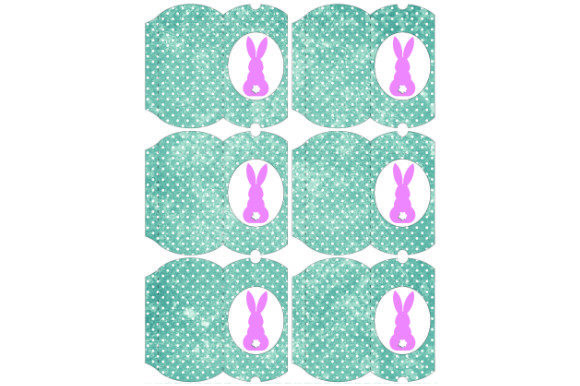
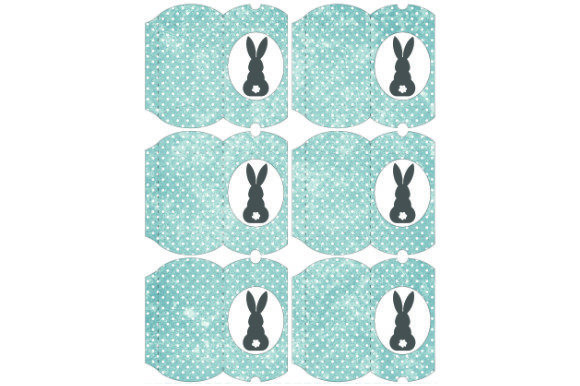
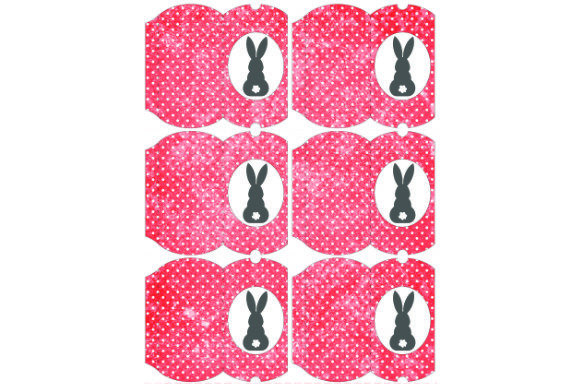
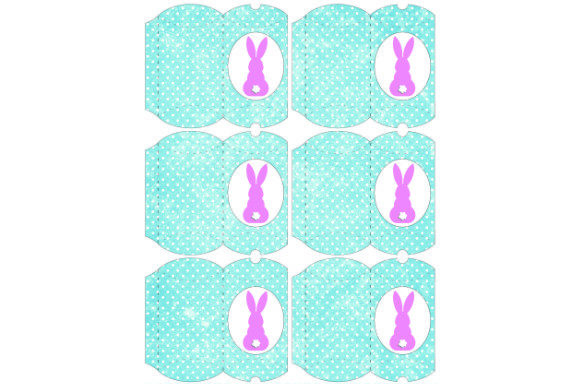
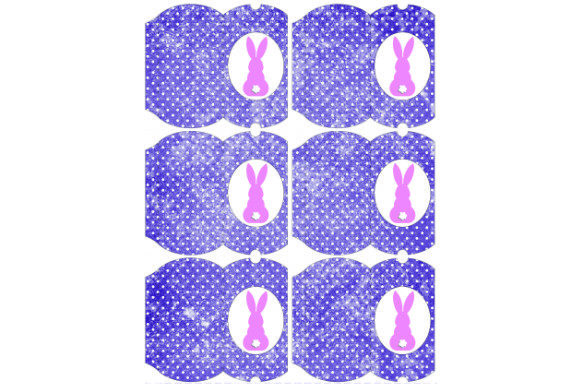
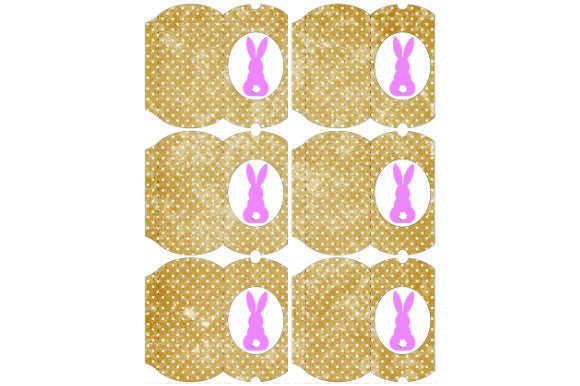
When I first opened the Pillow Boxes Bunny D.1. embroidery file, what struck me was the soft, whimsical tone it carries. It's clearly aimed at a younger audience or gift-giving occasions with a gentle, approachable charm. The design features six tiny pillow-shaped boxes, each with bunny motifs that are simple but not overly detailed. The layout is compact, making it ideal for small-scale embroidery projects like baby onesies, boutique-style pouches, or personalized gift tags. It's a design that leans into nostalgia and innocence — perfect for springtime collections or baby-themed items.
Real-World Embroidery Performance
I tested Pillow Boxes Bunny D.1. on a few different fabric types to see how it holds up in actual stitching. On a soft cotton baby blanket, the design stitched cleanly with minimal thread breaks. The satin and fill stitches held their shape, and the overall density felt balanced — not too heavy, not too sparse. When I moved to a stretchy knit for a custom embroidered sweatshirt, I noticed slight distortion in the corners of the boxes. This is something to watch if you're embroidering on apparel with movement or stretch.
For Etsy sellers or crafters making small handmade items, Pillow Boxes Bunny D.1. works well on tote bags, especially when paired with a coordinating font for names or dates. It also holds up nicely on tea towels and aprons, where the clean lines and soft curves give a handmade but polished look. As a favor box design for bridal or baby showers, this could be a charming addition to a custom embroidered gift set.
Where to Use Pillow Boxes Bunny D.1. with Care
This design isn't one-size-fits-all. If you're working with very small hoop sizes, you may find that the detail in the bunny faces or the tiny bows gets lost. I tried it on a 4x4 hoop and found that some of the finer facial features didn’t stitch out clearly. For small shop owners or embroidery designers creating patches, you may want to simplify or resize the design slightly to maintain clarity.
On dark fabrics, the light-colored threads used in the original design (as seen in preview mockups) can look washed out. I recommend testing different thread color combinations — especially with contrast in the bunny ears and facial features. Also, on textured or thick materials like felt or fleece, the design's delicate elements may not stand out as intended. In those cases, consider using a lighter stitch density or outlining key parts with a running stitch to keep the design from disappearing into the fabric.
Visual Appeal and Customer Perception
From a design standpoint, Pillow Boxes Bunny D.1. adds a touch of softness to any product. It’s not flashy, but it’s approachable — and that’s a big plus for small business owners trying to build a consistent brand aesthetic. Whether you're embroidering on baby bodysuits or boutique tote bags, this design gives a handmade, thoughtful vibe that customers tend to respond well to.
I used it on a set of personalized pillow covers for a client's nursery line, and the feedback was positive. The client loved the “sweet, not too busy” look, and it photographed well on their product pages. For Etsy sellers or digital product creators, that kind of visual clarity and emotional appeal is gold. Pillow Boxes Bunny D.1. isn’t just decorative — it enhances the perceived value of the finished product, especially when used thoughtfully.
Design Notes for Embroidery Professionals
If you're planning to use Pillow Boxes Bunny D.1. in a commercial embroidery project, here are a few practical tips based on my experience:
- Test on scrap fabric first, especially if you're using stretchy or textured materials.
- Check thread color contrast before stitching on dark or patterned fabrics.
- Review stitch density to avoid puckering or distortion on thinner materials.
- Confirm hoop size compatibility — some hoop configurations may require slight resizing.
- Inspect small details like the bunny eyes and bows; they may need adjustment for clarity.
- Try black and white mockups to see how the design reads without color.
- Compare light and dark backgrounds to ensure visual consistency across product lines.
- Use proper stabilizer for stretchy or loosely woven fabrics to prevent shifting.
- Check licensing terms if you're selling finished items or digital embroidery products.
Final Thoughts: A Sweet Addition to Your Embroidery Kit
Pillow Boxes Bunny D.1. isn’t the most complex embroidery file out there, but that’s part of its appeal. It’s a design that works well for a variety of projects — from baby embroidery to boutique tote bags — without requiring heavy customization. It’s easy to stitch, easy to sell, and easy to love. For small shop owners and Etsy sellers, it’s a versatile asset that can elevate your product offerings with minimal effort.
If you're looking for a machine embroidery design that's charming, stitch-friendly, and adaptable across multiple handmade items, Pillow Boxes Bunny D.1. is definitely worth a test run. Just remember to tailor your thread choices and fabric selections to get the clearest, most professional results.